21 Questions Game: The Ultimate Icebreaker for Deeper Connections
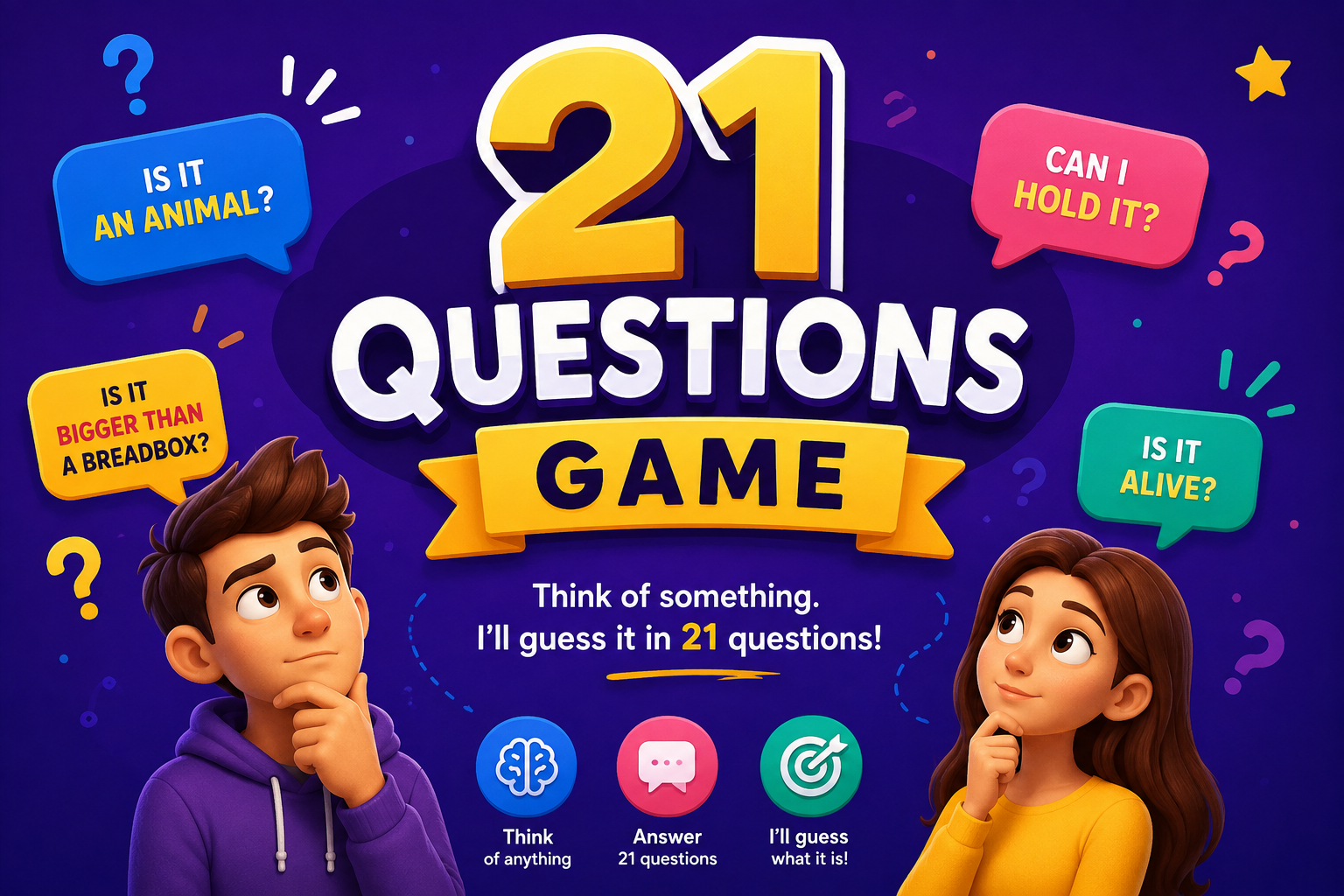
The 21 questions game has captivated minds for generations as a simple yet powerful conversation starter. Whether you’re on a first date, surrounded by new coworkers, or looking to reconnect with old friends, this game offers a unique way to break the ice and uncover meaningful truths about each other. Unlike basic small talk, the 21 questions game invites participants to dig deeper, explore personalities, and build genuine bonds in a fun, low-pressure environment. In this comprehensive guide, we’ll explore everything you need to know about the 21 questions game, from how to play it to creative twists, safety tips, and why it remains a timeless favorite.
What Is the 21 Questions Game?
At its core, the 21 questions game is a classic icebreaker activity that starts with two people choosing a random topic and then asking 21 yes-or-no questions to uncover everything there is to know about that topic. The goal is not to guess the topic correctly but to gather as much insightful information as possible through targeted questions. Popular topics include favorite movies, dream vacations, most embarrassing moments, or even a stranger’s childhood fears.
The game was popularized in modern times through books, movies, and social media trends, but its roots date back centuries to simple parlor games enjoyed by families and friends. Today, the 21 questions game is widely used in therapy sessions, team-building workshops, dating profiles, and even online communities. Its appeal lies in its accessibility—it requires no preparation, no supplies, and works perfectly in any setting from coffee shops to long flights.
Why Play the 21 Questions Game?
Playing the 21 questions game offers far more benefits than just filling awkward silences. First, it reduces social anxiety by giving everyone a clear structure for conversation. Participants feel safe because the focus stays on the topic rather than personal judgment. Second, it promotes emotional intimacy. As you ask deeper questions and receive honest answers, trust builds naturally. Research on communication shows that sharing personal stories—especially through guided questions—strengthens relationships faster than surface-level chat.
For couples, the 21 questions game creates quality date nights that feel meaningful rather than forced. Singles use it to learn what makes someone special without the pressure of a formal interview. Professionals employ it in networking events to find common ground quickly. Even in group settings, the 21 questions game turns strangers into collaborators who might soon become friends. Its simplicity makes it an ideal activity for all ages, from teenagers discovering their identity to grandparents sharing life stories.
The game also encourages active listening. When you ask the right question, the other person’s response reveals layers of personality, values, and dreams. This process helps you see others more clearly and yourself more honestly. In a world full of quick judgments and filtered online interactions, the 21 questions game reminds us that real connection comes from curiosity and vulnerability.
How to Play the 21 Questions Game: Step-by-Step Guide
Getting started with the 21 questions game is effortless. Here’s a complete step-by-step process that works for two people or larger groups:
- Choose the Topic Both players agree on a neutral or fun topic. Examples include “favorite childhood memory,” “dream job,” “most daring adventure,” or “secret talent.” The topic can be anything—personal or general—to keep the game light and enjoyable.
- Set the Ground Rules Decide on a time limit, usually 30–45 minutes. Ask everyone to answer honestly but kindly. Remind participants that no question is “bad,” but some answers may be too personal for certain settings.
- Ask the Questions The first player starts by asking one yes-or-no question related to the topic. The second player answers. Then the first player asks another question, and so on. Keep the questions open enough to reveal depth but structured so the game stays on track.
- Track Progress Many players use a simple notepad or phone app to log answers. This helps avoid repetition and keeps the game moving.
- End the Game After 21 questions, reflect on what you learned. Share favorite moments and decide whether to continue with a new topic or a new partner.
The beauty of this process is its flexibility. You can play it in 10 minutes for a quick icebreaker or stretch it into an hour-long session for deep conversations.
Popular Topics for the 21 Questions Game
Choosing the right topic makes all the difference. Here are some of the most engaging options that work across ages and cultures:
- Childhood and Early Life: “What was your favorite toy as a child?” or “Where did you grow up?”
- Dreams and Aspirations: “If you could travel anywhere tomorrow, where would you go?”
- Favorites and Passions: “What’s your favorite movie or book of all time?”
- Challenges and Growth: “What’s one thing you’ve overcome that most people wouldn’t guess?”
- Relationships and Values: “What’s the most important lesson you learned from your parents?”
- Adventures and Risks: “Have you ever done something scary on purpose?”
These topics encourage vulnerability while staying fun. For online versions, use shared Google Docs or Trello boards so everyone can see the evolving list of answers in real time.
Creative Variations of the 21 Questions Game
The standard 21 questions games is just the beginning. Creative twists keep it fresh and exciting:
- Rapid Fire Round: After the first 10 questions, switch to answering as quickly as possible to reveal instinctive responses.
- Themed Edition: Pick a holiday theme like “Valentine’s Day” or “Halloween” for seasonal fun.
- Partner Swap Game: After 21 questions with one person, everyone rotates partners for another round.
- Photo Version: Take secret selfies at each answer and later compare them to see how expressions change.
- Group Edition: Divide into small teams of three. Each team asks questions about their chosen topic, then presents the best insights to the whole group.
- Deep Dive Variant: Limit questions to only “How?” and “Why?” for 21 rounds to explore emotions and motivations.
These variations keep the game engaging and prevent it from feeling repetitive.
Safety and Etiquette Tips for the 21 Questions Game
Playing the 21 questions games safely requires a bit of mindfulness. Always obtain consent before asking deeply personal questions. If someone seems uncomfortable, gently shift to a lighter topic. Respect boundaries—some answers are private for good reason.
In professional or family settings, keep questions appropriate for the audience. Avoid anything related to health, finances, or past trauma unless everyone has clearly agreed. For online games, use video calls with clear ground rules displayed on screen. Finally, never use the game to interrogate or judge. The goal is connection, not comparison.
The 21 Questions Game in Different Contexts
- Dating: Use it on first dates to spark chemistry without overwhelming pressure.
- Friendship: Great for new acquaintances at parties or team meetups.
- Family Gatherings: Perfect for holiday gatherings to learn about each other’s lives.
- Work Teams: Builds collaboration and empathy among colleagues.
- Therapy or Coaching: A structured way for clients to explore thoughts and feelings.
- Travel: While flying, on trains, or during road trips for entertainment.
In each context, the 21 questions games adapts beautifully.
Benefits of Playing the 21 Questions Game
Beyond fun, the game offers measurable advantages:
- Enhanced Empathy: Hearing others’ perspectives widens your understanding of diverse experiences.
- Improved Communication Skills: Regular practice sharpens questioning techniques and active listening.
- Stress Reduction: Structured conversation distracts from worries and brings people into the present.
- Emotional Intelligence Growth: Participants learn to recognize and express feelings more clearly.
- Stronger Bonds: Couples who play regularly report deeper intimacy and fewer misunderstandings.
Many participants say the game helped them discover hidden talents, common interests, or even life-changing advice they wouldn’t have found otherwise.
The History and Origins of the 21 Questions Game
The game’s modern form likely evolved from Victorian parlor games and 20th-century radio shows. Early versions appeared in children’s literature and family board games. By the 1990s, books like “21 Questions for Your Life” made it popular in self-help circles. Social media amplified its reach, with millions of people now playing online versions through video calls and messaging apps. While exact origins remain unclear, its timeless nature shows how humans have always loved asking and answering questions to connect.
Tips to Make the 21 Questions Game More Memorable
To elevate the experience:
- Record memorable answers (with permission) as voice notes or short videos.
- Create a “question bank” of 100+ ideas for future games.
- Use props like index cards with questions written on them.
- Incorporate music or themes to set the mood.
- End with a “would you rather” round for extra fun.
Common Mistakes to Avoid
Don’t rush through questions or repeat the same inquiry. Avoid overly vague topics that lead to surface answers. Don’t judge responses—focus on understanding. And never play the game as an interrogation tool.
FAQs About the 21 Questions Game
How many questions should I ask in the 21 questions game?
Exactly 21 is the standard, but you can play with fewer or more depending on the setting. The number simply provides a fun challenge.
Is the 21 questions game suitable for all ages?
Yes, with age-appropriate topics. Younger children enjoy simple choices, while adults appreciate deeper philosophical questions.
Can I play the 21 questions game online?
Absolutely. Video calls, shared documents, or even text messages work perfectly. Just display questions clearly on screen.
What if someone doesn’t want to answer a question?
Politely move to the next question or suggest a new topic. Consent and comfort always come first.
How long does a typical 21 questions game session last?
30 to 60 minutes is ideal. Start with 21 questions and see if everyone wants to continue.
Can I use the 21 questions game for couples therapy?
Many couples find it helpful as a starting point, but professional guidance is recommended for deeper issues.
Is the 21 questions game competitive?
Not really. The goal is connection, not winning. Treat it as a collaborative adventure.
What are some creative ways to spice up the 21 questions game?
Try photo versions, rapid-fire rounds, or partner swaps. The possibilities are endless.
Can the 21 questions game reveal relationship advice?
Yes, by exploring values, goals, and past experiences, it often uncovers insights that guide future decisions.
How do I keep the game fresh after many rounds?
Rotate topics, try variations, or change roles (one person becomes the questioner for the next round).
Conclusion
The 21 questions games stands as a simple yet profound invitation to explore life, love, and connection. Whether you’re a teenager on your first date, a professional building workplace harmony, or a family looking for meaningful evenings, this game delivers consistent rewards. It requires nothing but curiosity, honesty, and a willingness to listen. In an era of instant gratification and digital distance, the 21 questions games reminds us of the power of thoughtful conversation.
Start your next gathering with the 21 questions games and watch connections deepen. Invite friends, family, or new acquaintances and experience the magic of truly knowing someone through the simple act of asking and answering 21 questions. The only limit is your imagination and the courage to go deeper. Play often, play safely, and let the answers reveal the beautiful stories waiting inside every person you meet.