Pool Balls: The Complete Guide to Understanding, Choosing, and Maximizing Your Billiard Balls
Billard is one of the most popular recreational activities worldwide, and the quality of your pool balls can make or break your experience. Whether you are a casual player at home or a serious enthusiast competing in tournaments, choosing the right pool balls is essential. These small spheres, typically made from high-quality materials, determine the speed, spin, and overall feel of the game. Poor-quality pool balls can lead to inconsistent bounces, uneven tables, and frustrating sessions, while premium pool balls create smooth, predictable rolls that make every shot exciting and fair.
This comprehensive guide dives deep into everything you need to know about pool balls. From their history and composition to the latest innovations in manufacturing, we will cover selection criteria, maintenance tips, and expert strategies for using them effectively. By the end of this article, you will understand why investing in the right pool balls is a smart decision that can elevate your game from average to exceptional. Whether you are shopping for your first set or upgrading your existing ones, this resource provides everything you need to make an informed choice.
Understanding Pool Balls: History and Evolution
The story of pool balls begins in the early 19th century in England, where the game of billiards was invented. Early sets used wooden or ivory spheres, but the modern era of pool balls started in the 1860s with the introduction of phenolic resin. This material offered greater durability and consistency compared to the fragile natural materials previously used. The first commercial production of uniform pool balls came from the Brunswick-Balke-Collender Company in 1881, which standardized the 2.25-inch diameter still used today.
Over the decades, technology advanced. The introduction of polyester resin in the 1970s allowed for better resistance to scratching and fading, while the 1990s saw the rise of high-impact resin compounds that improved rebound and reduced the risk of cracking. Today, many manufacturers use a combination of materials to achieve the perfect balance of weight, density, and surface finish. These innovations have transformed pool balls from simple game pieces into precision instruments that maintain consistent performance under repeated use.
The evolution also reflects changing consumer demands. In the early days, pool balls were primarily for bar games, but now they serve as essential equipment for home tables, professional leagues, and even luxury pool rooms. The focus has shifted from cheap, disposable sets to durable, long-lasting pool balls that players can rely on season after season.
What Are Pool Balls Made Of?
Understanding the materials behind pool balls is crucial for choosing the right option for your needs. The most common pool balls are crafted from phenolic resin or polyester. Phenolic resin offers excellent hardness and impact resistance, making it ideal for professional tournament play where pool balls must withstand thousands of impacts. Polyester resin, on the other hand, provides superior scratch resistance and is more resistant to fading, which is why many contemporary manufacturers prefer it for consumer sets.
Some premium pool balls incorporate a special lacquer coating or use composite materials that include fiberglass or carbon fiber for added strength. The weight of standard pool balls is 5.5 ounces, with a diameter of 2.25 inches. This precise size ensures they roll smoothly across any cloth surface. The color of pool balls follows the classic eight-ball set: red for solids and yellow for stripes, with the cue ball often white or cream-colored to contrast against the table.
In addition to the core material, the quality of the felt or rubber used in the center can significantly affect performance. High-quality felt provides the perfect amount of friction for spin and control, while low-quality felt can cause erratic movement. When selecting pool balls, always check the manufacturer’s specifications for material composition, as this directly influences how your pool balls will perform over time.
Choosing the Right Pool Balls for Your Needs
Selecting the best pool balls depends on several key factors, including your playing style, budget, and the type of table you own. For casual home use, entry-level pool balls made from standard resin are sufficient and affordable. However, serious players benefit from investing in professional-grade pool balls that resist cracking and maintain their shape better than budget alternatives.
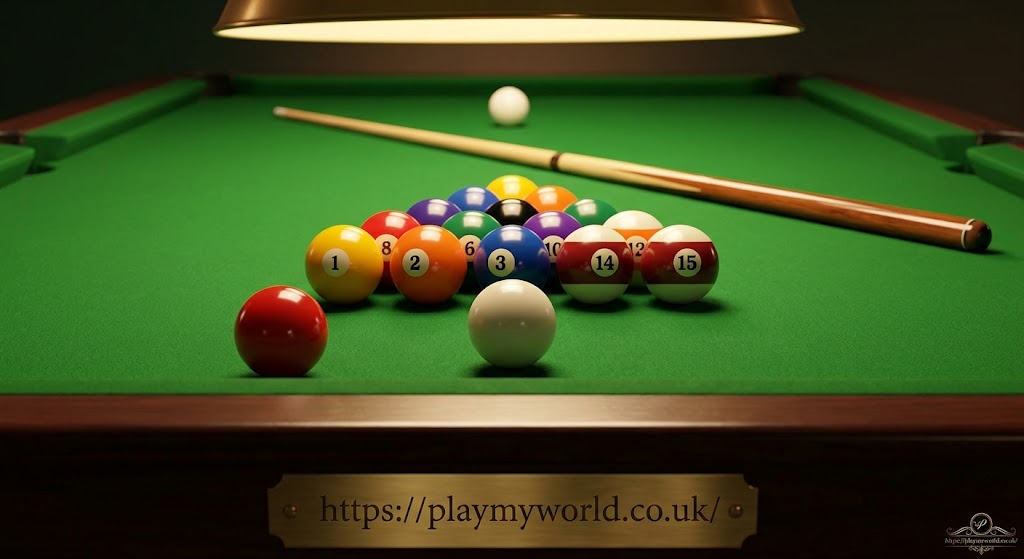
Beginners should look for sets that include a cue ball and a full complement of 15 balls. Many sets come in carrying cases for easy transport, which is convenient for traveling to local bars or friends’ houses. Advanced players may prefer tournament-specific pool balls that are certified by official bodies and tested for uniform weight and diameter. These sets often use a double-layer construction that prevents the outer shell from separating during heavy use.
Another important consideration is the surface finish. Matte-finished pool balls are less slippery and offer better grip on cloth, while glossy finishes provide a sleeker look but may require more frequent cleaning. Budget pool balls can be found for under $20, but expect reduced durability. Premium sets, priced between $50 and $200, offer years of consistent performance. Always match the color scheme of your table – darker woods pair better with lighter pool balls, while bright tables benefit from deeper hues.
Ultimately, the best pool balls are those that feel right in your hand and produce the desired effect on the table. Test the weight and roll by placing a few on a flat surface; they should roll smoothly without wobbling or sticking.
Tips for Proper Care and Maintenance of Pool Balls
Taking care of your pools balls ensures they stay in optimal condition and perform at their best for years. The most important step is regular cleaning. Use a soft cloth or a dedicated ball cleaner to remove chalk dust, fingerprints, and residue. Avoid using harsh chemicals or abrasive materials, as these can damage the protective coating and reduce the lifespan of your pools balls.
Store pools balls in a cool, dry place, preferably in their original case or a dedicated rack. Exposure to extreme temperatures can cause warping or cracking. When not in use, keep them away from direct sunlight to prevent fading. For deeper cleaning, some manufacturers recommend using a mild soap solution followed by a thorough rinse and air drying. Never immerse pool balls in water for extended periods, as this can affect the internal structure.
In addition to cleaning, inspect your pools balls regularly for any cracks, chips, or uneven weight distribution. A professional table technician can balance pools balls if needed, though most high-quality sets come pre-balanced. Rotating your set of pools balls periodically – swapping them in and out of the rack – can also help maintain consistency. By following these simple maintenance practices, your pools balls will remain smooth, consistent, and ready for action season after season.
Advanced Techniques and Strategies for Using Pool Balls Effectively
Mastering the use of pool balls goes beyond basic aiming; it involves understanding physics and strategy. The way pool balls collide creates predictable patterns that experienced players exploit. For example, using the cue ball to contact a target ball at a precise angle can send it into a bank shot or set up a combination play. The elasticity of quality pool balls ensures they transfer energy efficiently, allowing for long-distance shots without excessive speed.
When shooting, consider the type of cloth on your table. Fast cloth favors pool balls that roll smoothly with minimal friction, while slower cloth requires balls with more bite for spin. Positioning the pool balls in the rack also matters – proper spacing and alignment ensure an even break that keeps the game flowing smoothly. Many professional players use specialized racks designed for perfect uniformity.
For competitive play, understand the importance of uniform weight and diameter. If pool balls are not perfectly matched, shots can become unpredictable. Investing in certified pool balls eliminates this variable and lets you focus on skill. Additionally, learning to apply controlled spin through the cue ball’s path can turn defense into offense. These techniques, combined with practice, transform pool balls from simple objects into powerful tools for dominating the game.
The Future of Pool Balls: Innovations and Trends
The pools balls industry continues to evolve with new materials and technologies. Nanotechnology coatings can enhance durability and reduce friction even further. Some manufacturers are experimenting with lightweight composites that maintain the same performance while improving portability. As 3D printing and advanced polymers become more accessible, we may see fully custom pools balls tailored to individual table specifications.
Sustainability is another growing trend. Eco-friendly resins derived from recycled materials are now available, appealing to environmentally conscious players. These newer pools balls perform comparably to traditional options but with a lower carbon footprint. The integration of smart features, such as sensors for tracking roll distance, is also on the horizon for professional use.
Overall, the future looks bright for pools balls, with continued focus on precision, sustainability, and player experience. Whether you choose traditional materials or cutting-edge alternatives, the core goal remains the same: providing pools balls that deliver consistent, enjoyable performance every time you step up to the table.
FAQs
What are pools balls made of?
Most pools balls are made from phenolic or polyester resin, with a diameter of 2.25 inches and weight of 5.5 ounces. Premium sets may include protective coatings for added durability.
How many pools balls are in a standard set?
A standard set includes the cue ball and 15 object balls, giving you 16 balls total for the classic eight-ball game.
Are pool balls interchangeable with billiard balls?
Yes, pool balls and billiard balls refer to the same type of equipment used on pool tables. The terms are often used interchangeably.
How do I clean pools balls?
Clean them with a soft cloth and mild soap solution. Avoid harsh chemicals to protect the protective coating and maintain performance.
What is the best material for pool balls?
Phenolic resin is excellent for professional play due to its impact resistance, while polyester offers better scratch resistance for home use.
How often should I replace pool balls?
Quality pools balls can last many years with proper care. Replace them only if they become cracked, chipped, or lose their uniform weight.
Can pool balls be used on a snooker table?
Yes, most pools balls (2.25-inch diameter) fit on snooker tables, though snooker tables use slightly larger balls (2.22 inches) and are designed for different play styles.
Why do pools balls get damaged?
Common causes include sharp objects, rough handling, or exposure to extreme temperatures. Proper storage and cleaning prevent most damage.
Are pool balls heavy?
Standard pools balls weigh 5.5 ounces each, making them easy to handle for most players while providing the necessary density for consistent rolling.
Conclusion
Pools balls are far more than simple game pieces; they are the foundation of every enjoyable billiard session. From their advanced materials and careful manufacturing to the countless hours of strategy they enable, these spheres deliver the smooth, consistent play that makes pool so rewarding. Whether you are choosing your first set, upgrading from worn-out ones, or exploring the latest innovations in pools balls, understanding their composition, care, and effective use will help you maximize every shot and every game.
Investing in quality pools balls pays dividends in smoother gameplay, longer-lasting equipment, and the satisfaction of playing on equipment designed for peak performance. With the right approach to selection, maintenance, and technique, your pools balls will become reliable partners in countless hours of fun and competition. So the next time you step up to the table, remember that a good set of pools balls is the first step toward mastering the game and creating lasting memories at the felt.