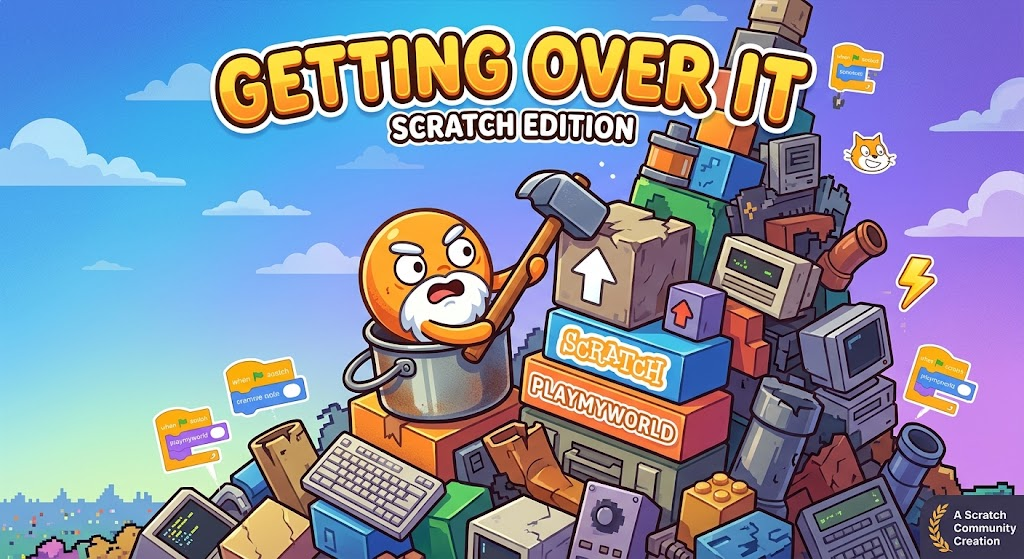
Getting Over It Scratch: Mastering Frustration, Persistence, and the Joy of Rough Edges in Gaming
In the world of video games, few titles capture attention quite like those that test a player’s limits. One such game that has become a cultural phenomenon is Getting Over It with Bennett Foddy. While the phrase “getting over it scratch” may seem cryptic at first glance, it often refers to the scratchy, relentless frustration of this physics-based platformer. Many players describe their journey through the game as “getting over it” after countless attempts, with the scratchy sounds of the in-game character struggling to climb mountains echoing the emotional rollercoaster of rage, determination, and eventual triumph. This article explores everything about Getting Over It, from its core gameplay to why the “getting over it scratch” experience resonates so deeply with gamers worldwide. Whether you’re a seasoned speedrunner or a complete beginner, understanding this game can transform how you approach challenges in life and play.
What Is Getting Over It? A Deep Dive into the Game Concept
Getting Over It with Bennett Foddy is a single-player physics puzzle game developed by Australian designer Bennett Foddy. Released in 2017 for PC and later ports to consoles, the game is deliberately simple in premise but brutally complex in execution. You play as a character named George—sometimes affectionately called the “Scratch Cat” in fan communities and Scratch-based mods—wearing a bright orange jumpsuit and wielding a massive hammer. Your goal is to climb a colossal mountain using only your hammer and a grappling hook. Simple, right? The catch is the physics engine.
The game is built around precise physics simulation, which creates an unmatched sense of control and frustration. Every swing of the hammer, every step, or every throw of the hook must be calculated to the millimeter. Miss just a little, and you tumble down the slope, resetting your progress. This “getting over it scratch” dynamic—where the player’s actions often result in more scratches than achievements—makes the experience both hilarious and infuriating. Bennett Foddy, known for his earlier hit QWOP, wanted to create a game that felt like real life: hard, honest, and rewarding for those who stick with it.
The game’s title itself hints at the emotional journey. “Getting over it” suggests moving past setbacks, while the “scratch” evokes the raw, mechanical sound of the hammer impacting the mountain or the character’s frustrated movements. Fans on platforms like Scratch have even created mods featuring the original “Scratch Cat” with blue skies, jazz music, and smiling expressions, turning the pain into something playful and accessible. These community efforts prove how universal the game’s appeal is.
The Mechanics: Precision, Persistence, and the Satisfying Climb
At its heart, Getting Over It is a platformer defined by its simplicity. You start at the bottom of a towering mountain and must reach the top by any means necessary—hammer swings, hook throws, or clever use of the environment. The controls are minimal: left and right for movement, space or click for hammer swings, and the hook to latch onto surfaces. But this minimalism creates depth. The physics feel weighty and responsive, like controlling a real person on a steep incline. Your character has inertia, so sudden stops or changes in direction can send you sliding backward.
The “getting over it scratch” aspect shines in the climbing sequence. Every few meters or levels, you must navigate narrow ledges, climb sheer rock faces, or swing across gaps. The mountain is filled with landmarks that serve as checkpoints, but one wrong move—too hard a swing, a misaimed hook, or forgetting to swing at the perfect moment—means tumbling back to the start. This repetition creates the scratchy frustration that defines the game. Yet, that frustration is the point. Bennett Foddy designed it to mimic real-world problem-solving, where persistence pays off.
Progress feels rewarding when you finally “get over it.” Reaching the top of one of the game’s signature peaks triggers a celebratory cutscene, complete with a silly dialogue from George. “I did it!” he says with a grin, but the smile hides the thousands of attempts it took. In fan recreations on Scratch, players have adapted these mechanics into block-based coding projects, turning the raw physics into educational tools. A Scratch project like “Getting Over It v1.4 Mod” by griffpatch even recreates the original with improvements like constant jazz and a smiling cat character. These mods show how the game inspires creativity, especially among younger programmers who learn through trial and error.
Why the “Getting Over It Scratch” Experience Resonates So Strongly
The real magic of Getting Over It lies in its emotional impact. The “getting over it scratch” is not just about failing—it’s about the cathartic release when you succeed. Gamers often share stories of throwing controllers in rage, only to come back hours later with new strategies. This cycle mirrors life in many ways: setbacks, repeated attempts, and eventual mastery. The game has a cult following for a reason. It appeals to players who enjoy challenging games without flashy graphics or hand-holding tutorials.
Many players describe the experience as meditative. The repetitive sounds—the hammer thuds, the hook clicks, the occasional scratchy fall—create a hypnotic rhythm. It forces focus, much like meditation or physical training. Speedrunners have pushed the game to its limits, completing it in under an hour. But for the average player, the joy comes from the “aha!” moments when a clever hammer swing or hook throw turns a death spiral into progress. Bennett Foddy has noted in interviews that the game was about humility and acceptance, teaching players that failure is part of growth.
In today’s fast-paced gaming world, Getting Over It stands out for its deliberate slowness. It demands patience, which many players find refreshing. The Scratch community has amplified this by turning the game into a platform for tutorials and creations. Players learn coding concepts through building their own versions of the mountain-climbing mechanic. Whether it’s modding the cat’s smile or adding new landmarks, the “getting over it scratch” becomes a shared community experience.
Player Stories and the Broader Impact of the Game
The popularity of Getting Over It extends far beyond the original release. Players on forums, Reddit, and Scratch swap tips, memes, and speedrun times. One common story involves a player who spent days on the first major climb, only to succeed after weeks of practice. Others have turned it into a metaphor for life: “getting over it” after a breakup or career setback by climbing metaphorical mountains.
The game has influenced other developers. Clones and inspired titles have emerged, each trying to capture the physics sandbox feel. In the Scratch ecosystem, projects like “Getting Over It (Ugly Cat Edition)” by SLPSportsYT add humor and accessibility, proving the game transcends platforms. The impact is clear: it encourages problem-solving skills, resilience, and a love for imperfect systems. For parents, it serves as a great family activity—children can learn physics while parents enjoy the shared frustration.
Critics have praised the game for its innovation. It doesn’t rely on combat or story; instead, it uses pure mechanics to create tension and release. The “scratch” in the title isn’t just sound—it’s the sound of real effort. When the character finally reaches the peak, the victory feels earned, not handed out.
Tips and Strategies for Overcoming the Getting Over It Scratch
If you’re struggling with the game’s infamous difficulty, here are practical tips to make your journey smoother:
- Master the Hammer Swing: Practice the perfect arc. Swing slightly before the ledge or rock to gain momentum. Too early or too late, and you lose control.
- Use the Hook Wisely: The grappling hook is your lifeline. Aim for distant targets and swing in arcs. Avoid hooking the same spot repeatedly—it can break.
- Observe the Environment: Look for ledges, overhangs, or protrusions. The mountain is full of hidden ramps and swings.
- Slow and Steady Wins Races: Many speedruns involve deliberate, precise movements rather than brute force. Rushing leads to falls.
- Take Breaks: The rage from repeated deaths is real. Stepping away helps you see solutions you missed.
- Learn from Community: Check Scratch projects or forums for shared strategies. Modded versions often include guides.
These techniques help players “get over it” faster, turning the scratchy frustration into fuel for progress.
Common Mistakes to Avoid While Playing Getting Over It
Even experienced players fall into traps. Here are frequent errors:
- Over-swinging the hammer: This causes unnecessary momentum loss.
- Ignoring the slope’s incline: Small errors compound quickly.
- Forgetting checkpoints: Missing a safe landing spot resets everything.
- Rushing the physics simulation: The game rewards patience.
- Ignoring the fun factor: Many quit before the satisfaction hits.
By avoiding these, you can enjoy the game’s depth without unnecessary anger.
Future of Games Like Getting Over It
As technology advances, games like Getting Over It will likely evolve. More physics-based experiences may appear, blending with VR or AI for personalized challenges. In the Scratch world, community-driven mods will continue expanding the genre. The “getting over it scratch” concept could inspire new genres focused on resilience and learning through failure.
FAQs
1. What is the main goal in Getting Over It?
The goal is to climb the mountain using only a hammer and hook. The “getting over it scratch” comes from the repeated failures that make success feel earned.
2. Is Getting Over It free to play?
The original game is available on Steam and Humble Bundle. Fan versions and mods on Scratch offer free access for learning and creativity.
3. How long does it take to finish Getting Over It?
The average playtime is around 10-15 hours for a first run. Speedrunners complete it in under an hour with practice.
4. Can I play Getting Over It on mobile devices?
Yes, ports exist for iOS, Android, and consoles, though the best experience is on PC or console controllers.
5. What makes the Getting Over It Scratch so addictive?
The combination of precise controls, satisfying victories, and emotional investment creates a cycle of challenge and reward that keeps players coming back.
This comprehensive guide covers every angle of the game, helping you fully appreciate why the “getting over it scratch” continues to captivate gamers.
Conclusion
Getting Over It with Bennett Foddy remains a masterpiece of game design, where the “getting over it scratch” is not a curse but a badge of honor. Through its brutal mechanics and emotional payoff, the game teaches invaluable lessons about persistence, precision, and the joy found in overcoming obstacles. Whether you’re replaying the original, creating a mod on Scratch, or simply reflecting on life’s challenges, the journey through this mountain is unforgettable. So next time you feel stuck in your own “getting over it” phase, remember George and his hammer. With enough practice, you’ll reach the peak—and maybe even crack a smile.