Understanding Gameflip: A Comprehensive Guide to the Popular Gaming Marketplace
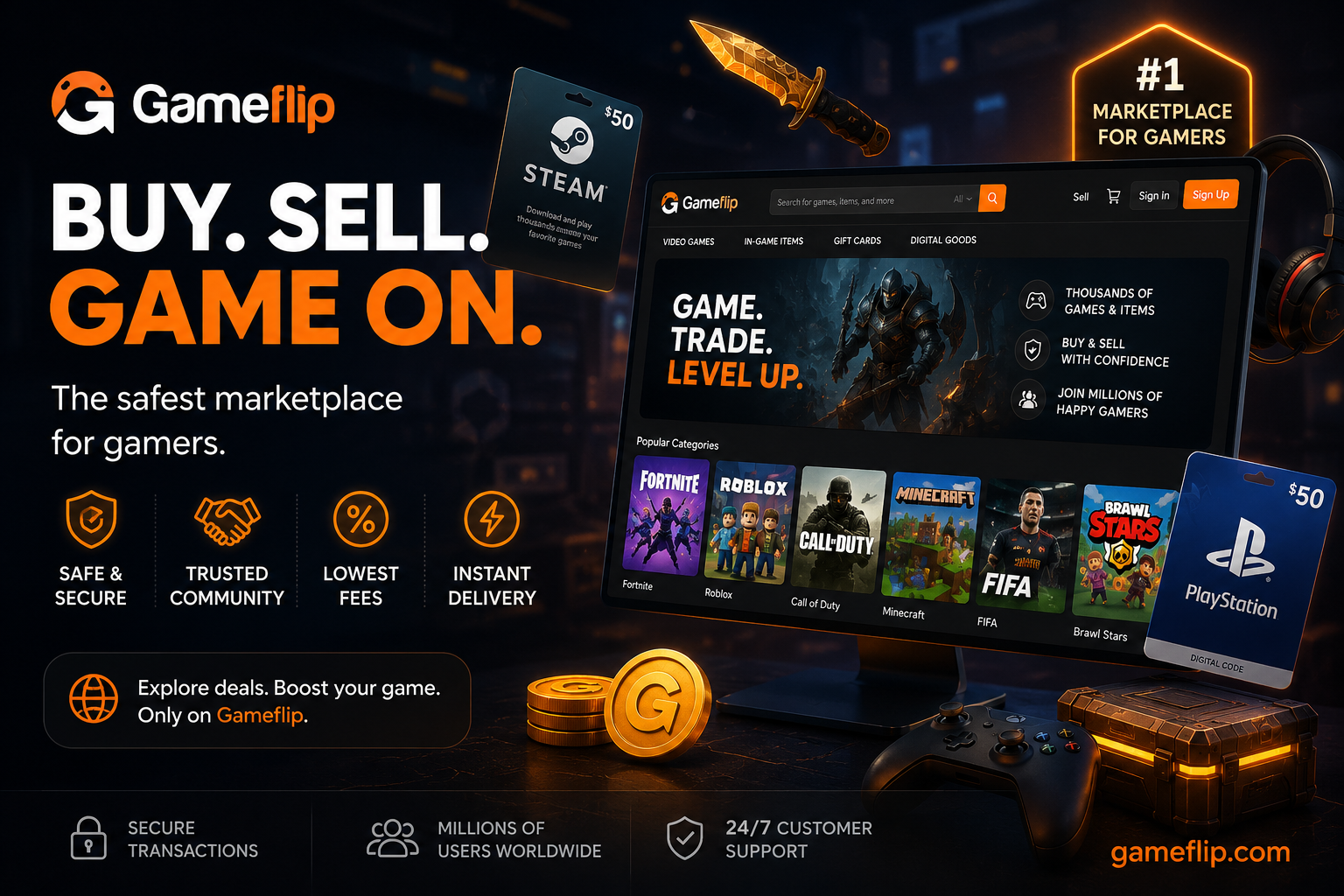
In the fast-evolving world of online gaming, players constantly seek reliable ways to acquire new titles, rare digital assets, gift cards, and related services without unnecessary risk. One platform that has built a substantial community of enthusiasts is gameflip. Founded in Silicon Valley and operating since the mid-2010s, this marketplace connects millions of users across more than 100 countries who buy and sell a wide range of gaming-related goods. With tens of millions of listings created over the years and a focus on secure peer-to-peer transactions, it has become a notable destination for both casual players and dedicated collectors. This article explores its core functions, features, safety practices, practical tips, and more to help readers understand how the platform operates and whether it suits their needs.
What Defines This Marketplace and Its Community
At its foundation, the platform functions as a specialized online marketplace tailored primarily to gamers and digital entertainment enthusiasts. Users can list and purchase digital Gameflip codes, in-Gameflip items such as skins or currency, gift cards for various services, physical gaming products in limited regions, and even specialized services known as gigs. The community has grown to include several million registered members, facilitating substantial monthly transaction volume measured in millions of dollars.
What sets the experience apart is the emphasis on trust mechanisms and user-friendly tools. Sellers create free listings, buyers browse with filtering options, and an escrow-style system holds funds until delivery is confirmed. This structure aims to reduce common risks associated with direct peer-to-peer deals outside structured platforms. Physical items are generally restricted to shipping within the United States, while digital goods reach a global audience. Over time, the platform has expanded categories and refined processes based on user feedback and evolving gaming trends.
The broader ecosystem also includes a token element associated with blockchain technology for certain trades, though the primary activity remains straightforward buying and selling of conventional digital and physical gaming assets. Overall, the marketplace positions itself as a bridge between players who have accumulated surplus items through gameplay and those seeking specific assets without grinding or paying full retail prices elsewhere.
Core Features and Transaction Flow
Understanding the step-by-step process helps clarify why many users prefer structured marketplaces over informal trades. The system prioritizes notifications at every stage, clear delivery options, and mutual rating after completion.
How Buying Works
A buyer begins by creating a free account, verifying basic details such as email or phone when prompted for security, and browsing categories or searching for specific items. Filters allow sorting by price, delivery speed, seller rating, and Gameflip title. Once an item is selected, the purchase initiates. Available payment methods typically include credit or debit cards, certain digital wallets, and in some cases stablecoin options on supported blockchains. Existing account balance or credits are applied first, with any remainder charged according to the selected method and associated processing fees.
Funds enter a holding state managed by the platform. The seller then fulfills the order using one of the approved delivery methods. After the buyer receives and verifies the item—redeeming a code, confirming an in-Gameflip transfer, or inspecting a physical shipment—they mark the order complete. Only then are proceeds released to the seller. If issues arise, a claims process allows investigation with the goal of resolution or refund under the platform’s guarantee.
How Selling Works
Listing is free and relatively quick. Sellers choose a category, provide a clear title and detailed description, set a competitive price, select delivery type, and upload any required proof or code details where applicable. For digital codes, automatic delivery options encrypt and release the code upon purchase confirmation. For in-game items, sellers often coordinate timed trades within the game itself.
After a sale, the seller receives a notification, confirms payment clearance (which may take a few minutes), and delivers according to the listing method. Once the buyer accepts, funds credit to the seller’s wallet. From there, withdrawals can be requested to supported external methods. Sellers pay a commission on successful sales—commonly structured as a percentage of the proceeds plus a smaller digital fee for certain listings—rather than upfront costs.
Delivery Methods Explained
Several options accommodate different item types:
- Automatic delivery for pre-loaded digital codes.
- Manual delivery where the seller messages the code or instructions through the order page.
- Coordinated transfer for in-game items, requiring both parties to meet at an agreed time.
- Bot-assisted delivery limited to specific platforms such as Steam, where a system bot holds and transfers items.
- Traditional shipping for eligible physical goods within allowed regions.
Clear communication stays inside the order messaging system to maintain protection. External chats or links are discouraged and can void safeguards.
Popular Categories of Goods and Services
The catalog spans multiple segments that appeal to different player interests.
Digital Games and Redeemable Codes
Unused digital keys or codes for major platforms form a significant portion of listings. Buyers often find discounted titles compared with direct storefront prices, while sellers monetize unwanted purchases or promotional keys. Descriptions should specify the exact platform, region restrictions if any, and redemption steps.
In-Game Items, Skins, and Currency
Popular titles such as first-person shooters, battle royales, role-playing Gameflip, and simulation games generate steady demand for cosmetics, weapons, armor, currency packs, and limited-edition assets. Transfer methods vary by game—some support direct trades, others require account coordination or bot systems. Accurate screenshots and condition details improve buyer confidence.
Gift Cards
Both gaming-focused and selected non-gaming digital gift cards appear regularly. Categories often include streaming services, retail platforms, food delivery, and travel-related options, provided they redeem fully online. Sellers must supply clear redemption instructions and retain proof of ownership for potential disputes. Prepaid open-loop cards and certain restricted types remain prohibited.
Physical Collectibles, Accessories, and Consoles
Limited primarily to United States shipping, these listings cover controllers, headsets, figures, and console hardware. Condition grading, packaging photos, and accurate shipping estimates are essential. Movies in digital form also fit within broader entertainment categories.
Gigs and Specialized Services
Beyond tangible or digital goods, users offer skills such as coaching, boosting assistance within allowed bounds, graphic design for gaming content, streaming support, or account-related help where permitted. Sellers describe expertise, delivery timeline, and deliverables. Buyers receive the service, confirm satisfaction, and release payment. A portion of proceeds remains with the platform after completion.
Prohibited items and activities receive strict enforcement. Counterfeit goods, stolen property, illegal substances, certain account sales that violate Gameflip terms, spam listings, and any form of fraud result in removal, canceled transactions, or account suspension. Users are encouraged to review guidelines carefully before listing.
Safety Mechanisms and Protection Policies
Security forms a central pillar of the user experience. Encryption protects payment and personal data. Multi-factor options and phone verification help secure accounts. The core protection tool is an escrow arrangement often called a guarantee: buyer funds stay held until acceptance of the item as described. A cash-back style resolution applies when delivery fails or the item significantly mismatches the listing.
Common risks still exist in any peer-to-peer environment. Scam attempts include impersonation of official staff, requests to rate before full verification, pressure to move communication off-platform, or already-redeemed codes. Best practices include:
- Completing all steps inside the platform interface.
- Verifying seller ratings, feedback history, and response times.
- Testing digital items promptly after receipt.
- Never sharing passwords or authentication codes.
- Reporting suspicious activity with screenshots immediately.
Disputes follow a documented process. Buyers or sellers open claims, submit evidence, and await review. Most purchase reviews or verifications conclude within hours, though complex cases may extend longer. Prompt responses to any verification requests speed resolution. Premature cancellation and reordering can reset security checks and complicate matters.
Account hygiene also matters. Matching personal details across payment methods reduces review flags. Enabling available security features further lowers risk of unauthorized access.
Fees, Payments, and Wallet Management
Transparency around costs helps users plan effectively. Sellers face a commission on completed sales, typically in the range of several percentage points plus a modest digital listing fee where applicable. There are generally no listing or membership fees. Buyers encounter processing fees on the portion of the purchase charged to external payment methods. These often combine a fixed amount with a percentage that varies by territory and method. Account balances or promotional credits applied first reduce the charged amount and therefore the fee impact.
Supported payment options commonly include major cards, certain digital services, and selected blockchain stablecoins. Withdrawals from the seller wallet go to approved external destinations. Processing times and any associated withdrawal costs depend on the chosen method. Users should monitor for updates to fee schedules, as they can change over time.
Practical Tips for Buyers and Sellers
Success depends on preparation and realistic expectations.
For buyers:
- Compare multiple listings for price, seller reputation, and delivery speed.
- Read full descriptions and ask clarifying questions through the order system before purchasing.
- Confirm region compatibility for codes and games.
- Complete verification of the item quickly and rate honestly after acceptance.
- Keep records of communications and redemption proofs.
For sellers:
- Write detailed, honest titles and descriptions with relevant keywords for discoverability within the marketplace.
- Price competitively by researching similar active listings—often a meaningful discount from retail encourages faster sales.
- Choose the most suitable delivery method and prepare codes or in-game readiness in advance.
- Respond promptly to notifications and coordinate delivery times carefully across time zones.
- Maintain high ratings through reliable fulfillment and clear communication.
- Avoid prohibited content and re-listing spam that can trigger penalties.
Both parties benefit from patience during peak periods or when verification reviews occur. Mobile applications available on major operating systems provide convenient notifications and management on the go.
Advantages and Considerations Compared with Alternatives
Strengths include the breadth of categories under one roof, the escrow protection layer, free listing structure, and a large existing user base that supports liquidity for popular items. Global reach for digital goods expands opportunities, while the focus on gaming culture creates a shared community feel. The guarantee mechanism and structured messaging reduce some friction common in fully open peer-to-peer channels.
Considerations include processing fees that can accumulate on card payments, the need for careful coordination on certain in-game transfers, and the reality that dispute resolution, while available, takes time. Seller commissions reduce net proceeds. Not every Gameflip or item type enjoys equal liquidity—niche assets may sit longer. Regional restrictions on physical shipping and occasional payment method limitations also factor into planning. Users should weigh these against the convenience and security features when deciding whether the platform fits their volume and preferences.
Market conditions evolve with new game releases, seasonal sales, and shifts in player demand. Staying informed about popular titles and adjusting listings accordingly improves outcomes. Community feedback through ratings creates a self-reinforcing quality signal that helps both sides identify reliable counterparts.
Frequently Asked Questions
Is the platform legitimate and safe for transactions?
Yes, it operates as an established marketplace with escrow protection, encrypted payments, and active moderation. Users still exercise personal caution by checking ratings and staying within platform channels.
What items can be listed?
Digital game codes, in-game items transferable according to Gameflip rules, eligible gift cards, physical gaming goods within shipping limits, movies in digital form, and approved service gigs. Strict rules prohibit counterfeits, stolen goods, illegal items, and certain high-risk account sales.
How does the buyer protection work?
Funds remain held until the buyer confirms satisfactory receipt. A guarantee process supports refunds or resolution when items fail to match descriptions or are not delivered properly.
Are there fees for buyers and sellers?
Sellers pay a commission on successful sales. Buyers may incur processing fees on external payment amounts after any account balance is applied. Exact rates depend on method and location.
How long do deliveries usually take?
Digital automatic or manual codes can arrive almost immediately after payment confirmation. Coordinated in-Gameflip trades depend on scheduling. Physical shipping follows standard carrier times plus seller handling.
Can I sell non-gaming gift cards?
Selected digital-only cards redeemable online in approved categories are allowed, provided clear instructions and proof of ownership are available.
What should I do if a problem occurs?
Open a claim through the order page, provide evidence, and cooperate with support. Avoid moving the conversation outside the platform, as that can affect protection eligibility.
Is there a mobile app?
Yes, applications for major mobile operating systems support browsing, notifications, listing management, and order tracking.
How are payments withdrawn?
Successful sale proceeds credit to the internal wallet. Users then request payout to supported external methods according to available options and any applicable processing times.
Does the platform support all games?
Most popular titles with transferable assets or redeemable codes appear, though availability depends on current seller listings and compliance with Gameflip publisher terms.
Conclusion
Navigating digital gaming marketplaces requires awareness of both opportunities and safeguards. Platforms that combine broad inventory, structured escrow, and community scale offer practical value for players looking to buy discounted codes, rare items, or services, and for those monetizing surplus assets. Throughout this guide, the discussion has centered on features, processes, categories, safety practices, fees, and actionable advice associated with gameflip. By approaching transactions methodically—verifying details, communicating clearly inside approved channels, and understanding protection limits—users can participate more confidently. As the gaming landscape continues to expand with new titles and digital ownership models, well-designed marketplaces remain useful tools for efficient and relatively secure exchange. Readers are encouraged to review current policies directly on the platform, start with smaller transactions to gain familiarity, and prioritize reputation signals when selecting counterparts. With careful use, the experience can enhance rather than complicate the enjoyment of gaming.